Currently Empty: R0.00

Water Hammer: Causes, Effects and Prevention
Water hammer is a plumbing problem that occurs when moving water suddenly changes direction or stops flowing. The resulting pressure surge can create loud knocking noises, damage pipes and reduce the lifespan of plumbing and water treatment equipment.
Although many people dismiss the sound as harmless, repeated pressure surges can weaken pipe joints, valves and filtration components. Understanding why this happens and how to prevent it can save you from expensive repairs.
What Is Water Hammer?
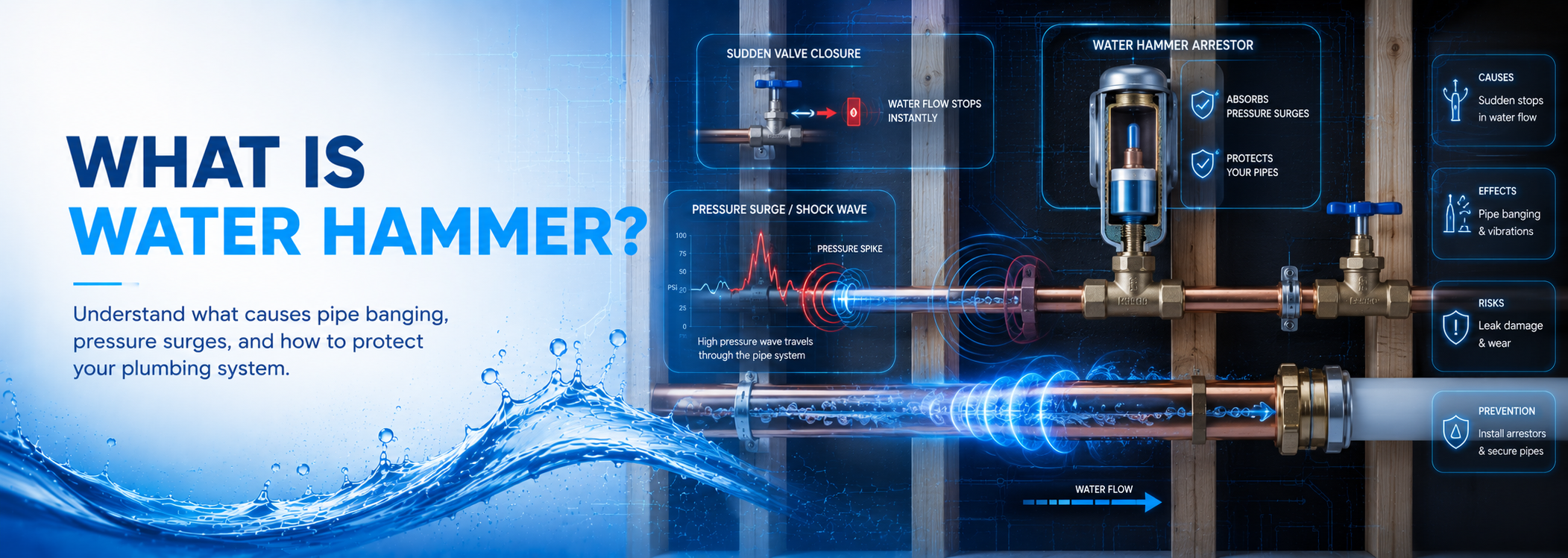
Water hammer refers to the hydraulic shock created when flowing water is forced to stop abruptly.
Instead of moving smoothly through the pipework, the water’s momentum produces a pressure wave that travels through the plumbing system. This often results in a loud banging or knocking sound after a tap, valve or appliance closes.
Pressure surges can occur in:
- Residential homes
- Office buildings
- Hotels
- Factories
- Reverse osmosis systems
- Water purification plants
- Booster pump installations
What Causes Pressure Surges?
Several conditions can create hydraulic shock within a plumbing system.
Fast-Closing Valves
When valves shut quickly, moving water has no opportunity to slow down gradually.
As a result, the sudden stop produces a strong pressure wave inside the pipe.
Automatic valves on appliances and purification equipment are common causes.
High Water Pressure
Excessive water pressure increases the force of flowing water.
Consequently, the impact becomes much greater when water flow stops unexpectedly.
Installing a pressure-reducing valve helps minimise this risk.
Long Pipe Runs
Long pipelines allow more water to build momentum.
Because of this, larger commercial and industrial installations often experience stronger pressure surges.
Loose Pipework
Pipes that are not securely fastened may move when pressure waves travel through the system.
This movement often produces loud knocking sounds and can damage fittings over time.
Booster Pumps
Pressure booster pumps that start or stop suddenly can also generate hydraulic shock if they are not correctly controlled.
Variable-speed pumps greatly reduce this problem.
Why Hydraulic Shock Is a Serious Problem
Ignoring water hammer can lead to significant plumbing damage over time.
Possible consequences include:
- Burst pipes
- Damaged valves
- Leaking joints
- Cracked filter housings
- Pump wear
- Equipment failure
- Higher maintenance costs
Protecting your plumbing from repeated pressure surges helps extend the lifespan of the entire system.
How to Prevent Water Hammer
Several proven solutions help reduce or eliminate pressure surges.
Install a water hammer arrestor.
A water hammer arrestor contains an air chamber that absorbs excess pressure before it reaches the plumbing system.
These devices are especially effective near quick-closing valves.
Reduce Incoming Pressure
High pressure increases the severity of hydraulic shock.
Installing a pressure-reducing valve creates a more stable plumbing system.
Secure Plumbing Pipes
Properly supporting pipework limits movement during sudden pressure changes and reduces noise.
Choose Slow-Closing Valves
Valves that close gradually allow water to slow down naturally, reducing the chance of pressure spikes.
Install Variable-Speed Pumps
Unlike conventional pumps, variable-speed models start and stop gradually, reducing sudden changes in water flow.
Protecting Water Treatment Equipment
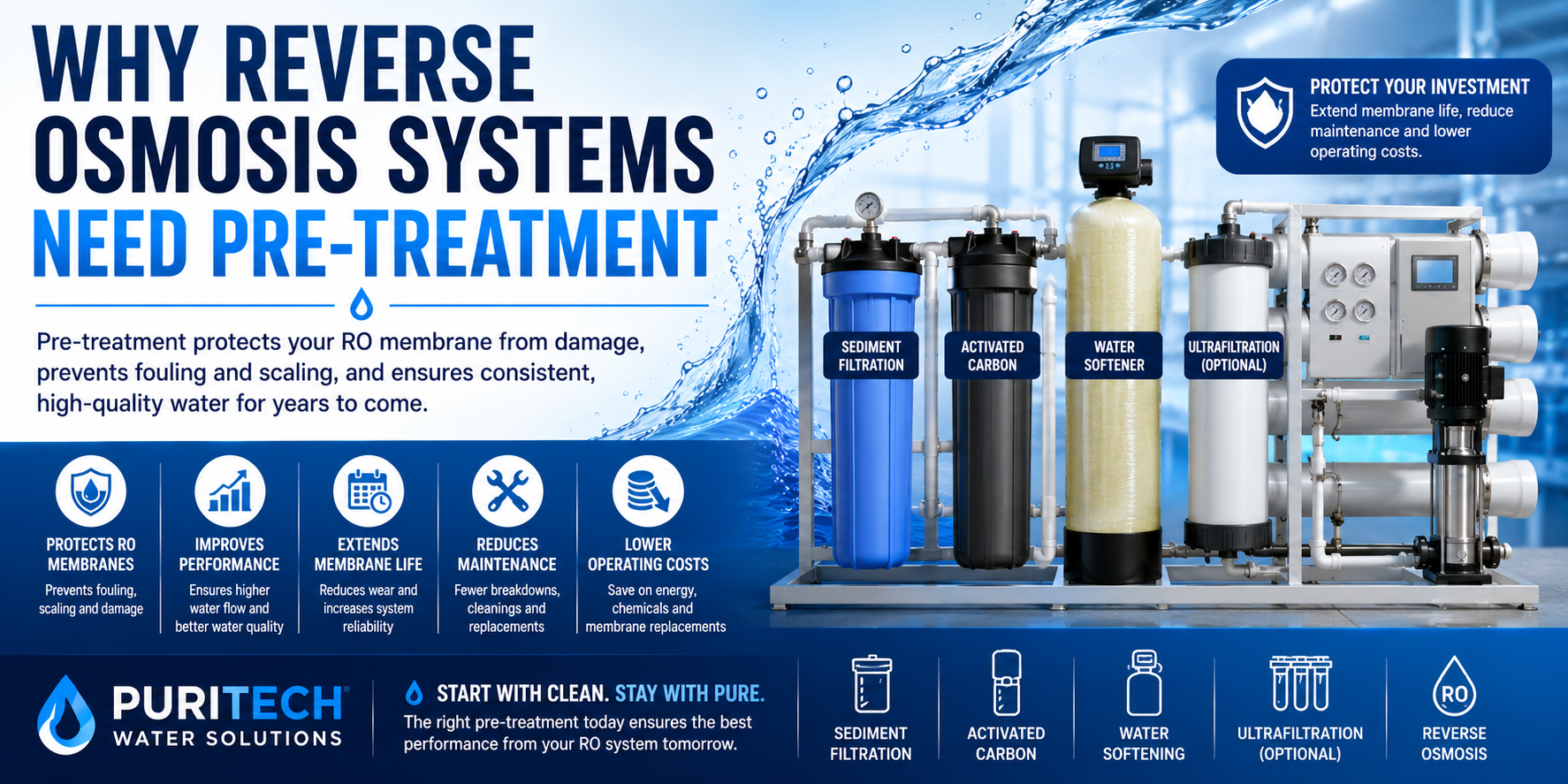
Pressure surges can damage sensitive water treatment equipment, including:
- Reverse osmosis systems
- Sediment filters
- Activated carbon filters
- UV sterilisers
- Water softeners
- Filter housings
- Pressure gauges
Protecting these components improves reliability and reduces repair costs.
How to Recognise the Problem
Common warning signs include:
- Loud banging noises
- Vibrating pipework
- Sudden pressure fluctuations
- Leaking fittings
- Moving pipes
- Damaged valves
If these symptoms occur frequently, the plumbing system should be inspected.
Frequently Asked Questions
Can pressure surges damage filtration systems?
Yes. Repeated hydraulic shock can damage filter housings, valves, and plumbing connections.
Is this problem dangerous?
Although it is not usually an immediate safety concern, repeated pressure spikes can eventually cause burst pipes and costly repairs.
Will reducing water pressure help?
Yes. Lower pressure often reduces the force of pressure surges, particularly when combined with arrestors or slow-closing valves.
Can booster pumps cause this issue?
Yes. Pumps that start or stop suddenly can create pressure waves if they are not properly controlled.
Conclusion
Water hammer is more than just an annoying noise. It is a hydraulic pressure surge that can shorten the lifespan of pipes, valves and water treatment equipment. By installing the correct protection devices, maintaining appropriate water pressure and using properly designed plumbing systems, you can reduce the risk of costly repairs and improve long-term reliability.
Puritech supplies pressure management solutions, booster pumps and water treatment equipment designed to help homes and businesses maintain safe, efficient and dependable water systems.